On 25 August, the SAWA Go To Japan 2026 journey continued in Nara, a region renowned for Japan’s long history of forestry and wooden architecture. Throughout the day, the delegation explored the journey of wood from traditional timber structures and forestry practices to industrial-scale engineered wood production and modern construction applications.
Tōdai-ji – The Essence of Timber Structure in Japanese Buddhist Architecture
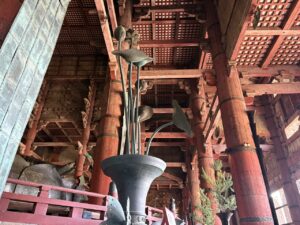
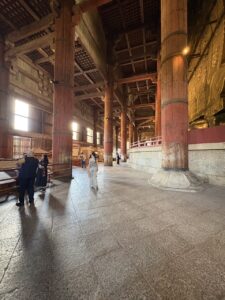
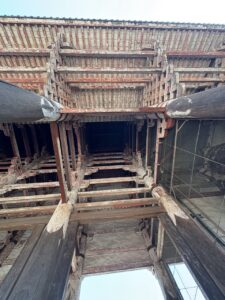
The morning began with a visit to Tōdai-ji, one of Japan’s most renowned Buddhist temple complexes, with a history spanning more than 1,200 years. It is part of the Historic Monuments of Ancient Nara, a UNESCO World Heritage Site. What particularly impressed the delegation was the temple’s sophisticated timber structural system. Rather than relying solely on massive timber members, the structure integrates columns, horizontal beams and multi-tiered bracket systems to transfer loads from the roof through the columns and down to the foundation. The Daibutsuyō architectural style is particularly notable for its massive timber columns, penetrating beams and projecting bracket systems. Together, these elements support deep roof eaves while creating large, open spaces. The structure demonstrates the advanced design, timber processing and joinery techniques developed in Japan centuries ago.


Gojo Factory – Sakurai Co., Ltd.
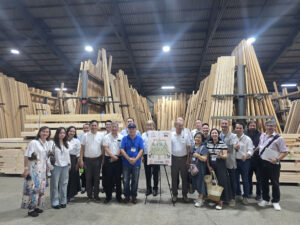
The second stop of the day was Gojo Factory of Sakurai Co., Ltd., where the delegation explored industrial-scale production of structural glued laminated timber and engineered wood products. According to information recorded by the delegation, the factory has an annual production volume of approximately 5,300 m³, with revenue of around VND 825 billion and productivity of approximately 100 m³ per employee per year. Around 90% of its raw material is European softwood imported from Europe, with approximately 10–15 forty-foot containers of timber arriving each day. The factory represents a large-scale production model combining international raw material supply with advanced timber processing and engineered wood manufacturing in Japan. The delegation also learned about the use of Koyobond adhesives in the production of glued laminated timber, gaining practical insight into the critical role of bonding technology in manufacturing structural timber components for modern construction.
Yoshino Wood Center
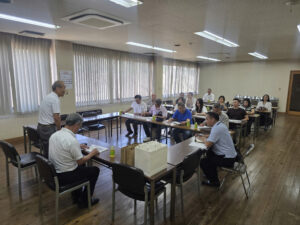
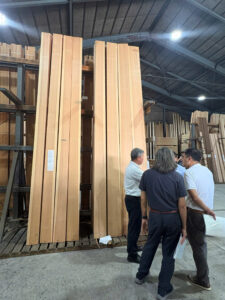
The journey continued to the Yoshino Wood Center – Yoshino Seizai, part of the Sakurai Group. Here, the delegation learned about the distinctive Yoshino forestry system, characterized by dense planting, repeated thinning and long-term forest management with a strong emphasis on timber quality. This approach contributes to the production of Yoshino Sugi with straight trunks, fine grain and beautiful wood patterns, making it highly valued in architecture and premium wood products. The factory was established in 2016 and obtained JAS certification in 2022, demonstrating how Yoshino’s traditional forestry practices are being integrated with modern standards and quality-control systems.


Koyobond Reception
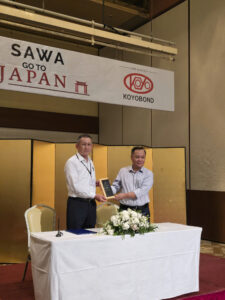
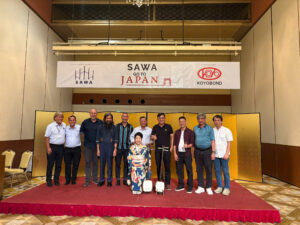
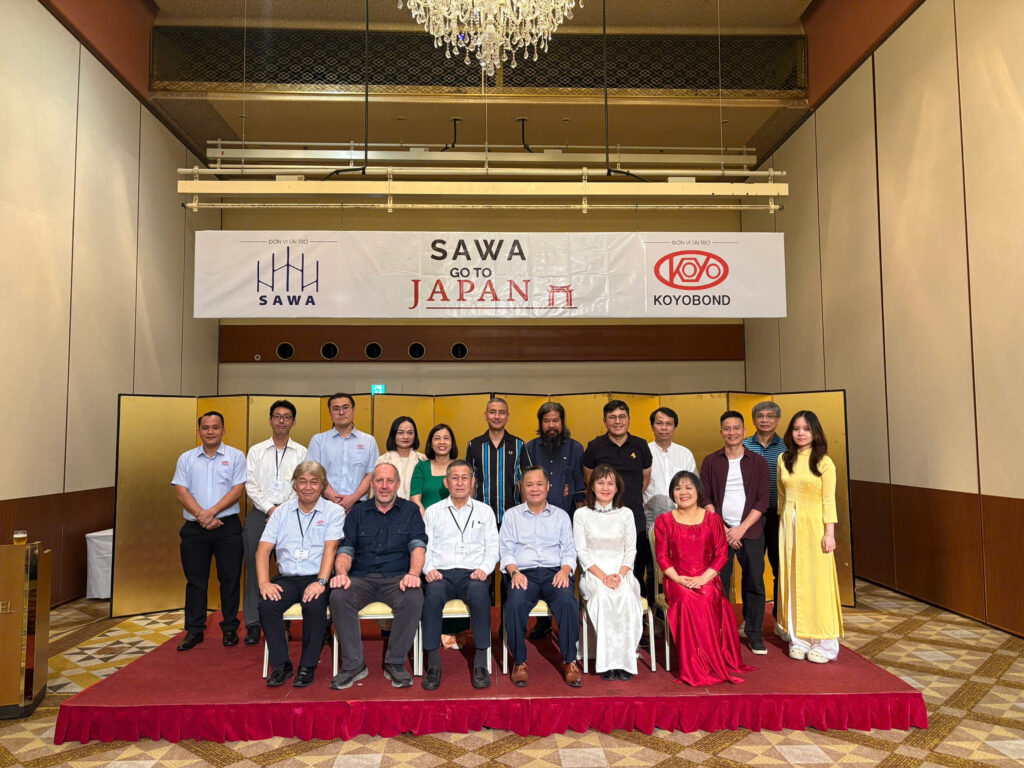
The working day concluded with a reception hosted by Koyobond, where the delegation enjoyed traditional Japanese folk music and an informal evening with Japanese partners. During the program, Koyo Sangyo Vietnam Co., Ltd. was presented with a SAWA Membership Certificate, marking a new step in strengthening connections within the SAWA business community and its international partners. Vietnamese and Japanese delegates also exchanged commemorative gifts as a gesture of appreciation and friendship. The second day of SAWA Go To Japan 2026 concluded with a continuous journey through the world of wood and construction — from timber structural engineering in a more than 1,200-year-old Buddhist temple, to industrial engineered wood production at Gojo, Yoshino forestry and modern adhesive technology.