
As the climate crisis intensifies, architects are re-evaluating the materials that shape our buildings—recognizing that what we build with plays a crucial role in long-term sustainability. Concrete, the second most-used material on earth after water, is responsible for about 8% of global CO₂ emissions. Our reliance on this “grey” material raises a pressing question: is there another way?
The answer is yes—and it’s already underway.
Wood: Redefining the Modern High-Rise
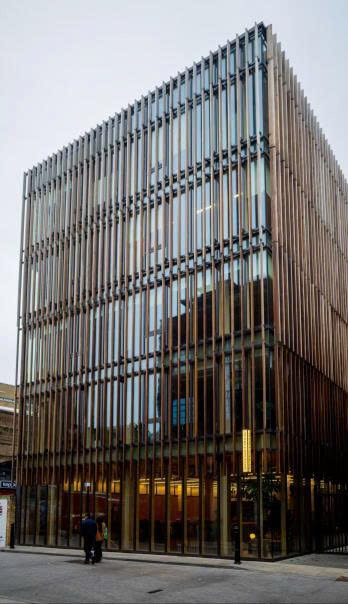
Cross-laminated timber (CLT)—a strong, lightweight, and easy-to-assemble engineered wood—is ushering in a quiet revolution. From Austrian residences and UK office towers to floating homes and domed roofs in Japan, wood is not only replacing concrete but offering warmth, efficiency, and design versatility. Fire safety code revisions have cleared the way for a new generation of “plyscrapers”—high-rise buildings made of wood.
Stone and Rammed Earth: Ancient Materials, New Thinking
Across Spain and France, architects are bringing stone and rammed earth back to the structural core—not just as decorative finishes. Social housing in Mallorca and apartment blocks on the outskirts of Paris prove these “humble” materials can drastically reduce embodied carbon while reviving local architectural identities often lost in modern design.
Reuse: The Greenest Building is the One Already Built
A growing movement favors adaptive reuse over demolition. French architects Lacaton & Vassal advocate for preserving what exists, citing their Tour Bois le Prêtre project in Paris as a model: by wrapping an outdated social housing block in polycarbonate cladding, they extended its life, lowered emissions, and preserved the resident community throughout the process.
Circular Economy: Designing with Regeneration in Mind
In Brussels, the firm Rotor champions a circular model by salvaging materials—bricks, doors, even bathroom fixtures—from decommissioned buildings. Their work doesn’t add new square footage, but it does lay the foundation for a more beautiful, efficient, and waste-conscious future in construction.
The Takeaway:
Sustainability in architecture isn’t just about new materials—it’s about rethinking what already exists. Whether it’s a reused door, a slab of stone, or the stories of the people who live there, each element offers a chance to build smarter, not just more.
Source: FT